
In the early 2000s, the World Bank released a report called ‘Where is the Wealth of Nations?: Measuring Capital for the 21st Century.’ The report aimed to assess how different types of capital contribute to economic development and economic growth. It defined natural capital as the sum of non-renewable resources like geology, soil, air, water, oil, natural gas, coal, minerals, cropland, pasture, forests, and protected areas. Produced or built capital includes assets such as machinery, equipment, infrastructure, and urban land. However, these resources alone did not account for most of the world’s wealth or explain a country’s income level. The difference was attributed to intangible wealth, primarily from human capital.
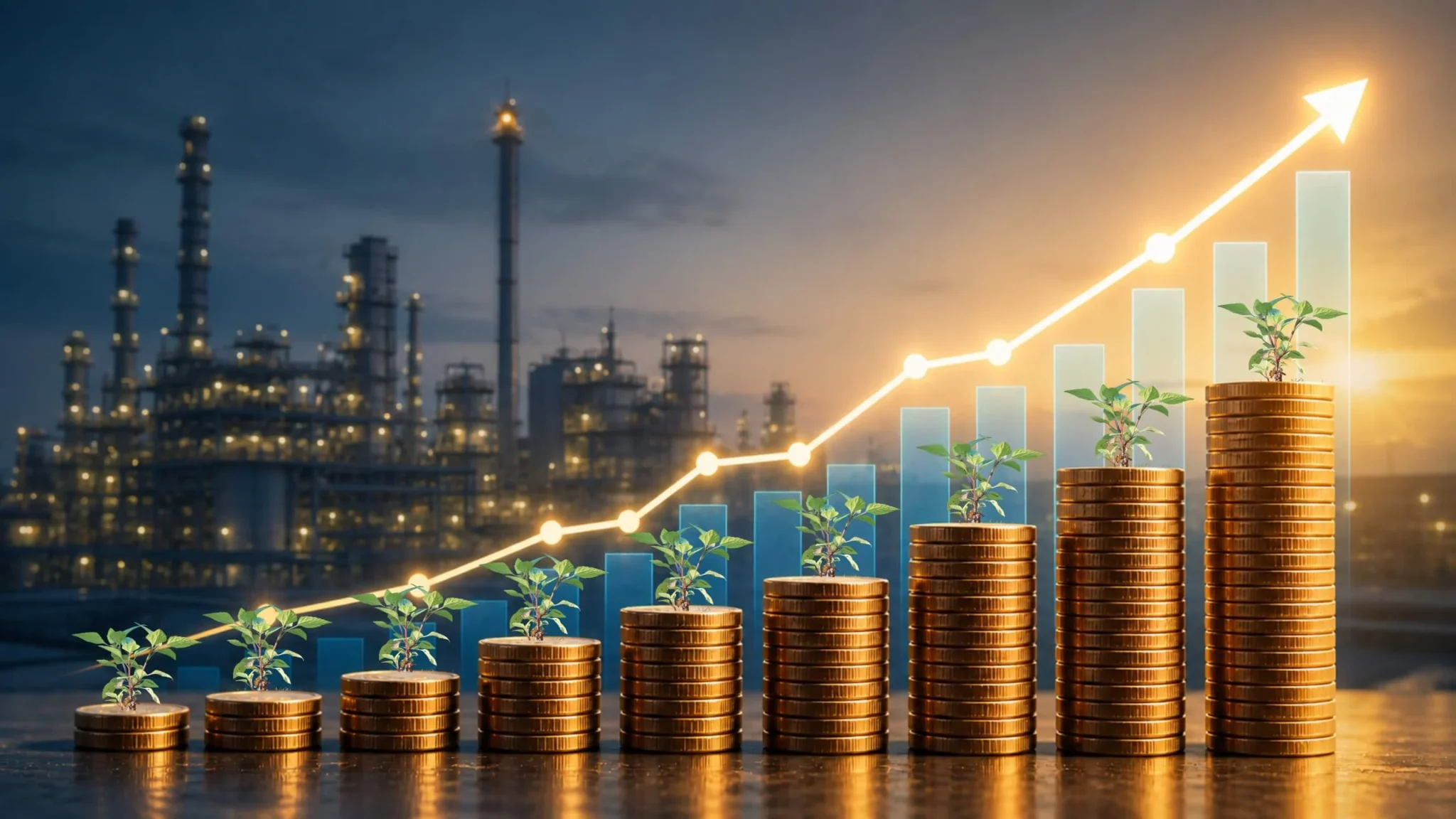
Later studies in development economics and business management have confirmed these findings and highlighted two main contributors to intangible wealth: human capital (the skills, experience, and knowledge of the workforce, which depend on a strong, technology-driven education system) and institutional capital (the rule of law, social trust, and quality of governance). For example, Ronald Bailey’s article ‘The Secrets of Intangible Wealth’ points out that intangible capital is crucial for national prosperity. Today, 80% of the wealth in rich countries and 60% in poor countries is intangible. In our knowledge-based economy, a nation’s wealth depends greatly on how well it uses its intangible capital, including innovation, business leadership, and education.
These findings matter for India because its large population can help grow intangible wealth. This could be a key factor in reaching the goal of becoming a developed, high-income country by 2047.7.
1. Macroeconomic Valuation and Sectoral Leaders
As per the annual review for 2025 of the world’s intangible value conducted by Brand Finance, India holds $3.8 trillion in intangible assets, positioning it as a major global player in intellectual and creative capabilities. This valuation ranks India second in Asia (holding a 23% share of the region’s total intangible value) and 16th globally. India’s intangible investment intensity – the rate at which it invests in non-physical assets like data and AI—stands at nearly 10%, placing it ahead of several European Union economies and Japan.
The banking sector is currently the dominant contributor to India’s intangible wealth, bolstered by digital finance expansion and investor protection reforms. Another area driving intangible economic growth is the vibrant and dynamic telecom sector of India.
2. Human Capital: Realizing the Demographic Dividend
Human capital—the present value of future labour earnings – constitutes the lion’s share of India’s wealth and is the key to escaping the trap of low-level subsistence economic existence. India’s ‘demographic dividend’, characterized by a large and young working-age population compared to China, is substantially dependent upon priority given to the quality of education facilities and health infrastructure and resources.
A critical contemporary assessment of India’s human capital highlights the importance of gender equity. Research indicates that if Indian women achieved the same level of labour force participation and earnings as men, India’s GDP could rise significantly. While the female labor force participation rate (FLFPR) in India has historically lagged behind the global average, it showed significant improvement by 2022, reaching 32.8%. Achieving gender parity in earnings is estimated to potentially increase the national human capital wealth of South Asian nations by nearly 40%.
3. Institutional Capital and the Rule of Law
Institutional capital, particularly the Rule of Law, is inherently linked to superior economic outcomes and investor confidence. A legal system with fair procedural safeguards maintains market integrity and creates a predictable investment environment.
Quantitatively, a one-point increase in the rule of law index (on a 100-point scale) is associated with an increase in total wealth per capita of over 400 in middle-income countries like India. This is an important area for attention as it impacts the attractiveness of India as a destination for the flow of global capital.
4. Soft Power and Cultural Heritage
Beyond economic metrics, India’s intangible wealth includes its Soft Power – the ability to influence global appeal through its social, cultural, and political values. India’s civilizational heritage acts as a magnet for its global appeal as a destination of deep philosophical and cultural interest. Key assets include:
- Cultural Heritage: India features significantly in UNESCO’s Representative List of the Intangible Cultural Heritage of Humanity, including Yoga, the Kumbh Mela, Vedic Chanting, Architectural treasures of antiquity, and vibrant regional festivals such as the Durga Puja of West Bengal and the Garba of Gujarat, the latter particularly associated with the celebration of Navratri.
- The Diaspora: The Indian diaspora, particularly in the United States, is a vital soft power asset that influences foreign policy and enhances India’s global reputation.
- Bollywood and Cuisine: Indian films, music, and food are significant ‘intangible influences’ that have crossed the tipping point and today have widespread appeal among global audiences, both in nations of the East as well as the West.
Future Prospects
If India is able to track with greater accuracy the wealth that is being generated in our nation in the informal economy, which by all accounts appears to be substantial in size, it would significantly contribute to the size of our formal economy and its intangible component. This, combined with a continued drive towards conventional economic growth, will ensure that our nation’s true economic worth will place it firmly among the leading nations in the global economy.
Kaveri Narang, Professor of Practice, IQ City United World School of Business, Kolkata